
Skip to content

10 Steps to Help Older Adults Prevent Slips, Trips and Falls

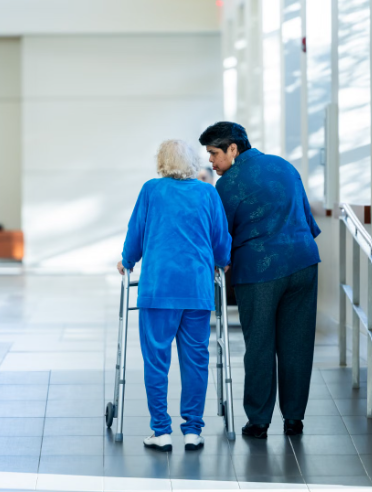
Caregiver walking closely beside an elderly woman using a walker in a bright indoor hallway

(NewsUSA) – Some of the most serious injuries among older adults, age 65 and older, are caused by falling. More than 1.6 million older Americans end up in the emergency room or hospital because of a fall, according to the National Institutes of Health. Seniors who have broken a hip by falling can have trouble recovering and regaining mobility.
The good news is many falls are preventable. One of the first things you can do if you take prescription medication is have your health care team review your medication.
“Some prescription medicines and over-the-counter drugs, or a combination of them, can make you dizzy or sleepy. Either can lead to a fall,” said Jaza Marina, M.D., a geriatrician at Kaiser Permanente in Atlanta. “If you fall, be sure to let your doctor know, even if you aren’t hurt. Sometimes falls are a sign of a new medical problem that needs attention.”

Many underlying causes of falls can be treated or corrected. Dr. Marina recommends these 10 proactive steps to reduce the risk of falling.

Make your home safe.

1. Remove clutter, throw rugs and electrical cords that might cause you to trip.

2. Store items on bottom shelves.

3. Add grab bars where necessary — in hallways, stairways and bathtubs.

4. Add a rubber bath mat in the shower or tub.

5. Make sure your home is well lit. Use night lights in hallways and bathrooms.

6. Keep a phone and flashlight by your bed. Take care of yourself.

7. Stay as physically active as you can.

8. Wear comfortable shoes with good support.

9. Have your vision and hearing checked.

10. Use a cane or walker if you feel unsteady.

For more information on how to prevent falls, visit  share.kp.org/preventing-falls. Also check out everybodywalk.org for tips on walking as an exercise. For questions or advice about a specific condition, talk to your physician.


Why Fall Prevention Deserves Ongoing Attention

Fall prevention isn’t a one-time checklist you complete and forget about. As seniors age, their balance, strength, and reflexes can change gradually, which means home safety measures and personal habits need to be revisited on a regular basis. Families and caregivers play a key role in noticing these shifts early and adjusting accordingly before a fall becomes a serious health event.

Understanding the risk factors behind falls can help families take a more proactive approach rather than simply reacting after an incident occurs.

Common Risk Factors That Increase Fall Risk

Several factors beyond a cluttered home can raise the likelihood of a fall. Being aware of these helps caregivers and family members watch for warning signs more effectively:

  • Muscle weakness: Reduced strength in the legs and core makes it harder to catch balance after a stumble.
  • Chronic health conditions: Issues like arthritis, diabetes, or heart disease can affect stability, sensation, and energy levels.
  • Poor lighting habits: Getting up at night without turning on lights significantly increases the chance of tripping over unseen objects.
  • Improper footwear: Loose slippers or shoes without proper grip are a common, often overlooked, contributor to falls.
  • Cognitive changes: Memory or attention difficulties can lead to forgetting safety precautions, such as using a walker consistently.
  • Sedentary lifestyle: Long periods of inactivity can weaken muscles and reduce flexibility, making falls more likely when a senior does move.

How Caregivers Can Support Fall Prevention Day to Day

Beyond home modifications, ongoing caregiver involvement makes a meaningful difference in keeping seniors safe. Some practical ways caregivers support this effort include:

  • Assisting with daily movement: Helping a loved one walk to the bathroom, kitchen, or outside reduces the chance of an unsupervised misstep.
  • Monitoring medication effects: Caregivers often notice drowsiness or dizziness before the senior does, allowing for a quicker conversation with the doctor.
  • Encouraging light exercise: Simple stretching or short walks, done consistently, help maintain the muscle strength needed for balance.
  • Keeping communication open: Encouraging seniors to speak up about near-falls or unsteady moments, rather than brushing them off, allows for early intervention.
  • Reassessing the home regularly: As mobility changes, previously safe layouts may need new adjustments, such as additional grab bars or furniture rearrangement.

A Team Effort for Lasting Safety

Preventing falls works best as a shared effort between seniors, their families, and trained caregivers who can offer consistent support and a watchful eye. With the right combination of home safety measures, healthy habits, and attentive care, many falls can be avoided altogether, helping older adults maintain their independence and confidence for years to come.

For compassionate in-home support, contact No Place Like HomeCare LLC at 727-953-7185 or noplacelikehomecare@gmail.com today.

Let's Get in Touch!
Write to Us!

Interested in learning more about our Nurse Registry’s home care services? We would love to connect. There’s no long term contracts, and it’s easy to get started. Send us a quick message, and a team member will get back to you shortly.

Contact Us (1)

"*" indicates required fields

Back To Top