
With the onset of old age, the social circle of elders begins to shrink comparatively. They visit fewer places and perform fewer tasks, which often leads to depression. Some people feel a sudden change in their life after their spouse’s retirement or their own.
The job or the work they were doing along with the schedule they followed for over 30 to 35 years suddenly gets dissolved. Such changes in the life of elders can have adverse effects on their mental and physical health.
Why, I believe, peer groups can work wonders for the elderly is because of four primary reasons:
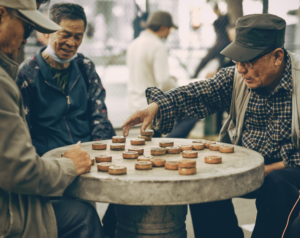
1. Peer groups keep them occupied.
By involving themselves with a group of like-minded people, elders can fill the void created by a sudden change in their lives. Peers can get along well and do different activities such as play golf, group readings, and even simple gardening or painting. These activities keep the seniors occupied and prevent idle thoughts from entering their minds.
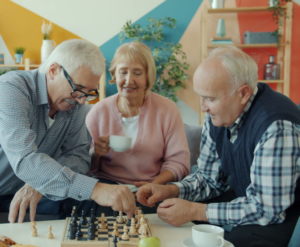
2. Peers encourage them to pursue a hobby.
Following a hobby with partners of the same age can help them get their competitive streak back. This also gives them an opportunity to interact with people and share their experiences. Psychologists even suggest that this exchange of ideas and experiences keeps their mental health in good state, which also has good influence over their physical health.
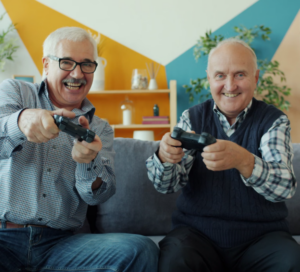
3. Peer groups motivate them to maintain themselves.
When in a group, each one of us likes to be appreciated by our peers. This affinity for the appreciation motivates the elders to maintain their health and appearances. Often people require good caregivers to help the elderly at home for assistance in grooming.
This is because, older people tend to ignore their appearances as they fail to find a purpose for getting groomed and maintaining appearances. The elderly can be seen making efforts to look presentable in front of their peers.
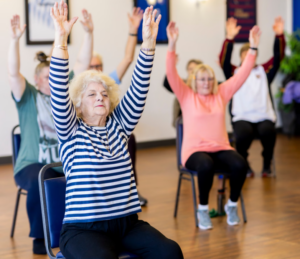
4. Peer groups promote a healthy lifestyle.
Most of these groups follow an exercise ritual to maintain their physical health. With the increasing age, people tend to withdraw from doing physical activities, partially due to lack of energy but mostly due to lack of motivation.
While in groups, elders feel the peer pressure and would willingly follow others and perform exercises. It is not the influence of one member of the group over other members, but the influence that the whole group has on each member. Good physical health is highly important for the older adults as the body becomes weak with ageing and needs to be kept well.
Peer group is a great motivation factor for the elderly in maintaining the health of both mind and body. For the older adults, who have fulfilled their social and family responsibilities, these peer groups can give them a new sense of purpose in life.